
Nature and the Human Brain
Your brain did not evolve in office buildings. Understanding its deep connection to natural environments reveals why outdoor movement feels restorative at a neurological level.
Optional free newsletter. Unsubscribe anytime by contacting us. We do not sell personal data. See our Privacy Policy.



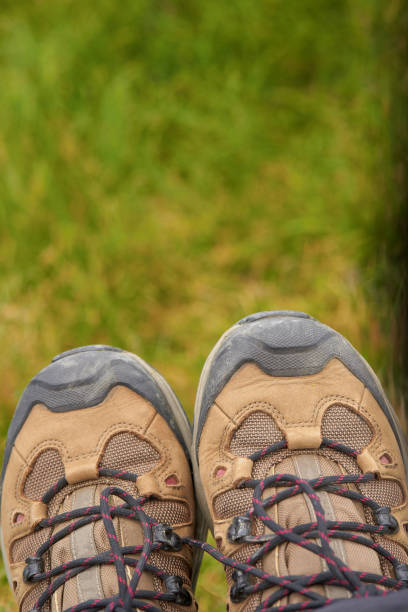



Programmed for Open Landscapes
For approximately 300,000 years, Homo sapiens lived primarily outdoors — tracking game, gathering plants, navigating terrain, and reading weather patterns. Only in the last few centuries has the majority of human life shifted indoors. Your brain's architecture reflects this outdoor heritage in measurable ways.
The default mode network (DMN), active during rest and introspection, shows different connectivity patterns when people are exposed to natural scenes versus urban images. Some functional MRI studies report differences in brain activity patterns after extended nature walks compared with urban walks of similar duration — findings researchers discuss as one possible explanation for why time outdoors can feel mentally refreshing for some people, though individual experiences vary widely.
Attention Restoration Theory, developed by Rachel and Stephen Kaplan at the University of Michigan, proposes that natural environments may replenish directed attention through gentle, involuntary fascination. Unlike a spreadsheet or traffic noise, a flowing stream or swaying branch can hold attention without effort. Some cognitive studies report performance differences before and after nature exposure — we share this research for context, not as a promise of results.
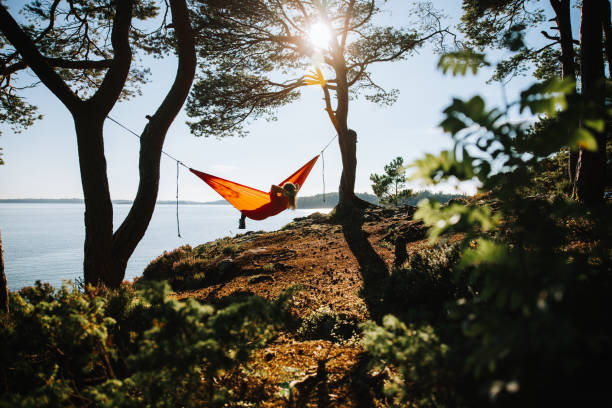
How Outdoor Air Fuels Neural Work
Oxygen and the Brain
Despite representing only about 2% of body weight, the brain uses a large share of resting oxygen intake. During demanding mental work, that need can increase. Moderate outdoor walking may help you feel more alert before analytical tasks — though responses differ by person and fitness level.
When you walk outdoors at moderate intensity, stroke volume increases and capillary perfusion in the brain improves. A 2018 meta-analysis in the British Journal of Sports Medicine found that acute bouts of aerobic activity lasting 15 to 30 minutes produced moderate improvements in executive function — the cognitive system responsible for planning, task-switching, and inhibitory control.
Some outdoor-walking studies report faster completion of complex analytical tasks compared with staying seated indoors. Authors suggest this may reflect a mix of increased activity, natural scenery, and break from desk work — not a single mechanism. Treat published averages as context, not promises.
Indoor air quality adds another dimension. Enclosed spaces can accumulate CO2 from respiration, particularly in poorly ventilated offices and classrooms. Some research, including work from Harvard T.H. Chan School of Public Health, suggests that higher indoor CO2 levels may be associated with reduced performance on certain cognitive tasks — a pattern worth noting when considering why stepping outside for fresh air can feel helpful during long indoor work sessions.
Practical protocol: before a meeting requiring strategic thinking or a study session involving complex material, take a 20-minute brisk walk in the nearest green space. In Porsgrunn, routes through Herkules park or along the Frierfjord waterfront provide accessible options within walking distance of the city center.
Natural Stimuli and Neural Processing
Your sensory systems process natural environments differently from built ones. Fractal patterns in tree branches, cloud formations, and wave surfaces match visual complexity preferences described in environmental psychology research. Many people report feeling calmer or more focused after time in green settings — individual reactions vary.
Auditory environments matter equally. Natural soundscapes — bird calls, wind through leaves, flowing water — mask urban noise and activate the parasympathetic nervous system. A 2017 study in Scientific Reports found that listening to natural sounds improved performance on attention tasks compared with silence or urban noise, suggesting an active restorative mechanism rather than passive relaxation.
Combining visual and auditory natural input during movement creates a multi-sensory restoration experience that no single modality achieves alone. This explains why walking through a forest feels qualitatively different from viewing forest photographs indoors, even when the visual content appears similar.
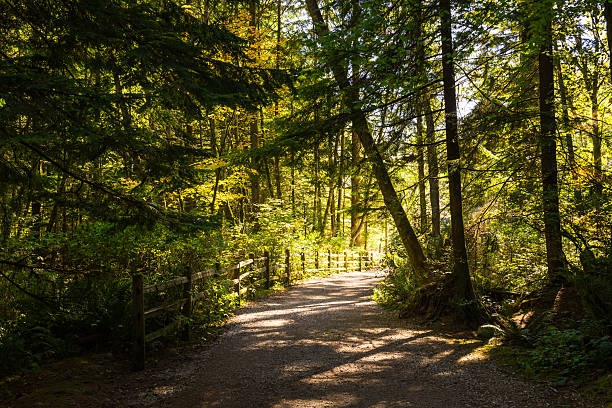
Building a Brain-Friendly Outdoor Routine
Morning light walk (10–15 min): Exposure to early daylight anchors circadian rhythm and provides a baseline oxygen boost before cognitive work begins. Face east when possible during spring and summer months for direct photon input.
Midday movement break (15–20 min): Break sustained desk work with outdoor walking. Research shows attention capacity declines after 45–90 minutes of continuous focused work; outdoor breaks restore performance more effectively than indoor rest.
Green commute segments: Route daily travel through parks or tree-lined streets when possible. Even partial green exposure during commutes accumulates restorative benefit across weeks and months.
Weekend immersion (60+ min): Longer forest or coastal walks allow deeper immersion in natural surroundings. Telemark's trail network offers routes for every fitness level. Pace yourself and carry essentials for longer outings.
Outdoor Safety Guidelines
Responsible outdoor movement starts with preparation. These guidelines support safe, enjoyable experiences across Norwegian terrain and weather conditions.
Know Your Limits
Start with flat, familiar routes before attempting elevation or uneven terrain. Increase distance by no more than 10% per week to allow musculoskeletal adaptation. Stop and rest if you experience dizziness, unusual fatigue, or difficulty breathing beyond normal exertion levels.
Weather Awareness
Norwegian weather changes rapidly, especially near coastlines and in mountain areas. Check forecasts on yr.no before departure and carry a compact rain shell even when skies appear clear. Turn back if conditions deteriorate — trails will still be there tomorrow.
Basic First Aid Kit
Carry adhesive bandages, blister plasters, and a small antiseptic wipe for longer walks. Know the location of the nearest emergency services. Emergency number in Norway is 113. Save your GPS coordinates before entering areas with limited mobile coverage.