
Outdoor Movement as a Cornerstone of Everyday Life
Norway's landscapes invite a simple shift: step outside, move at your own pace, and let fresh air become part of your daily rhythm. Here you will find practical ideas for building an outdoor lifestyle that fits real schedules and real weather.
Hipsiuflushen.ddd publishes free lifestyle guides from Porsgrunn, Norway (Org.nr 929 847 215). We do not sell products or provide medical services on this site.
Optional free newsletter. Unsubscribe anytime by contacting us. We do not sell personal data. See our Privacy Policy.

Who We Are & What We Offer
Clear information about our business and how we use this website.
Hipsiuflushen.ddd is a Norwegian information project based at Safirvegen 50, 3931 Porsgrunn, Telemark. Organisasjonsnummer: 929 847 215.
We publish free educational articles about outdoor walking, seasonal routines, forest visits, and local community events. Our content is written for general audiences who want practical friluftsliv ideas — not clinical programmes or personalised coaching.
We do not sell physical products through this website, do not operate a medical practice, and do not promise specific health outcomes. If you have questions about our content, events, or newsletter, use the contact page or email question@hipsiuflushen.world.
Important: All articles are for general information and lifestyle inspiration only. They are not a substitute for advice from a qualified healthcare or fitness professional. Always assess your own fitness, weather conditions, and local regulations before outdoor activity.
Listed events are informal community walks organised locally. Registration via our contact form helps us plan group size; participation is voluntary and at your own risk. See our Terms & Conditions and Privacy Policy for full details.
Read Full About PageWhy Your Brain Is Wired for Natural Surroundings
Human cognition developed over hundreds of thousands of years in open landscapes, not in enclosed rooms. Understanding this connection helps explain why stepping outside often feels immediately clarifying.
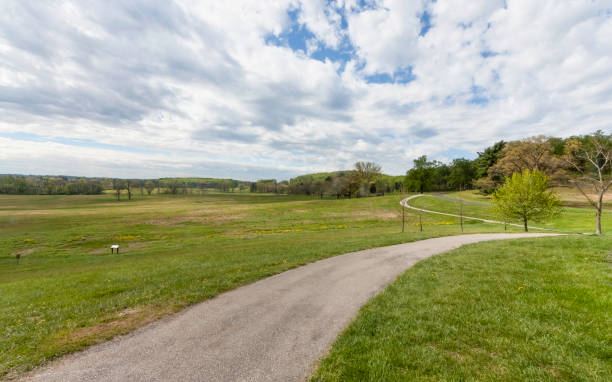
Research in environmental psychology suggests that the human nervous system responds differently to natural settings compared with built environments. When you move through parks, forests, or coastal paths, your brain receives a steady stream of what scientists call "soft fascination" — gentle sensory input from moving leaves, shifting light, and varied terrain that holds attention without demanding intense focus.
This pattern allows the prefrontal cortex — the region responsible for planning, decision-making, and complex analysis — to enter a restorative state. Studies from the University of Michigan and Stanford have shown that even brief exposure to natural environments can improve performance on tasks requiring sustained attention and creative problem-solving. The mechanism is not mystical; it is rooted in how our ancestors navigated terrain, tracked weather patterns, and read landscapes for resources and safety.
In Norway, where access to nature is protected by allemannsretten (the right to roam), integrating outdoor movement into daily life is structurally supported. A 20-minute walk along a tree-lined route before a demanding work session is not a luxury — it aligns with how your brain evolved to function at its best. The key is consistency: regular, moderate exposure beats occasional intense outings.
Explore Brain & Nature ScienceOxygen, Movement, and Clearer Thinking
Your brain uses a large share of the body's oxygen at rest. Outdoor movement can support comfortable breathing and alertness during everyday tasks — though individual responses differ.
Figures summarise published research and general physiology. They describe population averages in controlled studies — not guaranteed results for any individual.
When you walk briskly outdoors, your breathing rate and heart rate typically increase moderately. Many people find this helps them feel more alert before desk work or study — though comfort levels and pace should match your own fitness.
A 2014 study in the Journal of Experimental Psychology reported that participants who walked outdoors before analytical puzzles completed them about 30% faster on average than seated indoor controls. Routes with natural scenery appeared more helpful than urban concrete corridors in that study. Results vary by person, task, and conditions.
Practical application: schedule your most cognitively demanding tasks within 60 to 90 minutes after a brisk outdoor walk. In Porsgrunn and the wider Telemark region, the Bylstien trail network and lakeside paths offer accessible routes that require no special equipment — just comfortable shoes and a willingness to move at a pace that slightly elevates your breathing.
Outdoor Movement Through Every Season
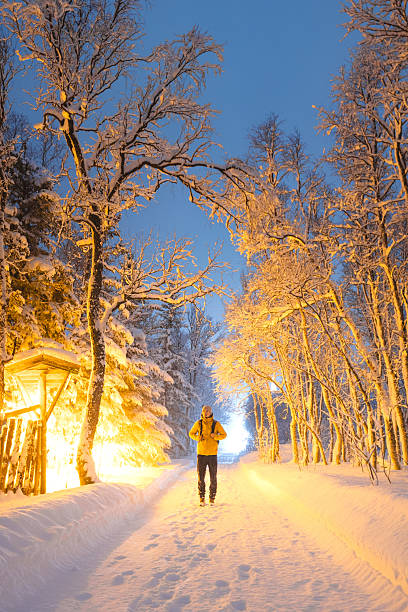
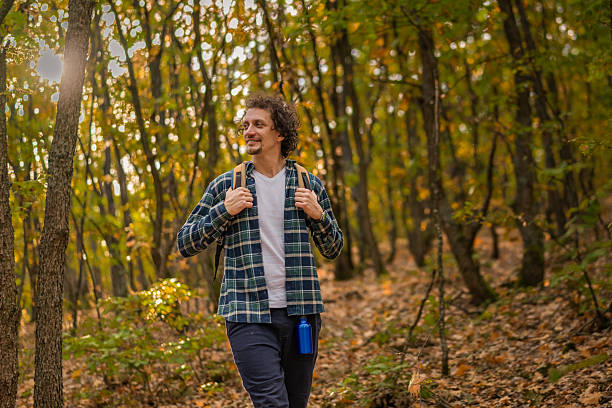
Norwegian winters mean limited daylight. Structured outdoor activity can help many people maintain energy and routine during darker months when combined with sensible clothing and pacing.

Shorter daylight hours in winter can affect sleep timing and daytime energy for many people. Lower light exposure is a common seasonal pattern, not a personal failing. Midday outdoor walks — even on overcast days — often provide more light than typical indoor rooms.
Outdoor movement adds physical activity alongside daylight exposure. Norwegian public health guidance encourages regular moderate activity; outdoor options are popular in national friluftsliv culture. Individual experiences differ — adjust duration and intensity to what feels sustainable for you.
Layering clothing appropriately — wool base layers, windproof shells, and reflective elements for dark hours — removes friction that often prevents winter outdoor activity. Even short walks during lunch breaks can add up across the week.
Combining daylight exposure with gentle movement is a practical approach many Norwegians use in winter. Some people report steadier energy and sleep when they keep a regular outdoor routine; others prefer mixed indoor and outdoor activity. Both are valid — consistency matters more than intensity.
Start with realistic goals: three 15-minute outdoor walks per week in December is a solid foundation. Increase duration and frequency as your body adapts to colder temperatures and your clothing system becomes refined through experience.
Read Seasonal Outdoor GuideWhat Happens When You Breathe Forest Air
Forest environments offer a distinct atmospheric composition that differs measurably from urban or indoor air. Understanding these differences explains why a woodland walk feels different from a city stroll.

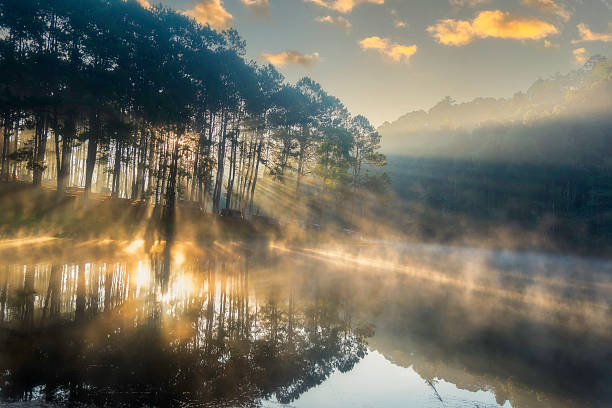
Trees release volatile organic compounds called phytoncides — natural oils that protect plants from bacteria and fungi. Forest air is often fresher and less polluted than busy street environments. Research on shinrin-yoku (forest bathing), mainly from Japan, has explored how quiet woodland walks may help some participants feel more relaxed in study settings. We share these findings for context only — not as medical recommendations.
Norway's forest cover exceeds 37% of total land area, and Telemark county offers extensive accessible woodland within minutes of urban centers. The air in these environments also tends to be more humid and cooler, which can soothe respiratory passages during dry winter months when indoor heating creates arid conditions.
To maximize the experience, walk at a pace slow enough to breathe through your nose rather than your mouth. Nasal breathing filters and humidifies incoming air while allowing phytoncides more contact time with nasal and upper airway tissues. Choose routes with mixed tree species — pine, birch, and spruce each release different compound profiles, creating a richer atmospheric experience than monoculture plantations.
Forest Breathing TechniquesWalking on Earth, Gravel, and Grass
The surface beneath your feet matters more than most people realize. Varied terrain engages stabilizing muscles and sensory systems that flat pavement never activates.
Grass & Soft Turf
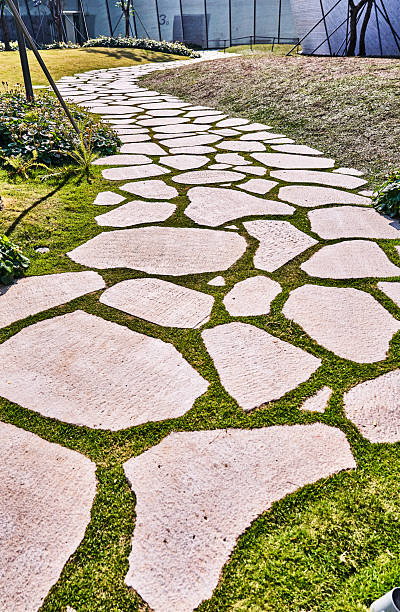
Walking on grass distributes impact forces differently than hard surfaces, engaging intrinsic foot muscles and ankle stabilizers. The slight unevenness requires micro-adjustments with every step, which research links to improved proprioception — your body's sense of position in space. Choose dry, mowed paths in public parks or designated walking areas.
Gravel & Mixed Trails
Gravel paths provide moderate instability that strengthens lateral ankle muscles and improves balance reactions. Norwegian trail standards (merket sti) maintain gravel surfaces on many popular routes, offering predictable texture with enough variation to keep movement patterns adaptive. Start with compacted gravel before progressing to loose scree on mountain paths.
Natural Earth & Roots
Forest floor walking on compacted earth, moss, and exposed roots activates the deepest layer of foot musculature. Studies on barefoot and minimal footwear walking suggest that direct contact with natural surfaces increases sensory feedback through approximately 200,000 nerve endings in each foot. Wear thin-soled shoes or go barefoot on safe, familiar terrain for short segments.
Outdoor Safety Guidelines
Outdoor movement is accessible to nearly everyone when approached with sensible preparation. These guidelines help you enjoy nature responsibly across Norwegian seasons.
Dress in Layers
Use a three-layer system: moisture-wicking base, insulating mid-layer (wool or fleece), and windproof/waterproof outer shell. Remove layers as you warm up to prevent overheating and sweat accumulation that leads to chilling during rest stops.
Hydration & Nutrition
Carry water even on short walks — cold air reduces thirst signals while increasing respiratory water loss. For walks exceeding 60 minutes, bring a small snack with complex carbohydrates. In summer, plan routes with known water refill points near Porsgrunn's parks and lake areas.
Route Planning
Check yr.no for weather forecasts before departure. Inform someone of your planned route and expected return time for solo walks in remote areas. Download offline maps — mobile coverage can be inconsistent in deep forest valleys throughout Telemark.
Sun & UV Protection
UV intensity remains significant in Norway from April through September, especially near water and at elevation. Apply broad-spectrum SPF 30+ to exposed skin. Snow reflection in late winter and spring can double effective UV exposure — sunglasses with UV protection are essential year-round on bright days.
Events Calendar
Join guided outdoor activities in the Porsgrunn and Telemark region. All events welcome beginners and focus on movement, not competition.
Midsummer Forest Walk
Guided 5 km walk through Bymarka woodland. Meet at Porsgrunn Library at 18:00. Bring water and light windbreaker.
Lakeside Morning Movement
Gentle stretching and walking circuit along Frierfjord promenade. Starts 07:30. Suitable for all fitness levels.
Gravel Trail Introduction
Learn proper footing techniques on mixed terrain. Telemarkskilen trailhead, 10:00. Sturdy shoes recommended.
Forest Breathing Workshop
90-minute session on paced walking and nasal breathing in woodland settings. Herkules park, 17:00. Registration via contact form.
Frequently Asked Questions
Practical answers to the questions we hear most often about building an outdoor movement routine in Norway.
Many published studies use 15 to 40 minutes of moderate walking. Shorter daily walks often work better for building habit than occasional long hikes. Start with a duration that feels comfortable, then adjust gradually. How you feel during and after activity is the best guide for your own routine.
Yes. Even weak winter daylight usually exceeds typical indoor lighting levels. Proper clothing and realistic pacing make short midday walks manageable for many people. Reflective gear and headlamps extend safe walking hours during polar twilight. Skip outdoor activity in unsafe weather and consult a professional if you have health concerns about cold exposure.
Variety is ideal. Alternate between grass, compacted gravel, and paved paths throughout the week. Each surface activates different muscle groups and sensory pathways. If you walk daily on the same paved route, try adding one segment per week on grass or gravel to introduce adaptive challenge without increasing total distance or time.
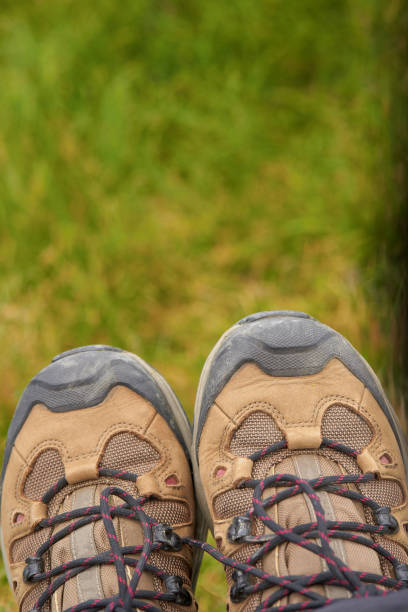
No specialized gear is required for urban and suburban outdoor walking. Comfortable shoes with adequate grip, weather-appropriate clothing, and a water bottle are sufficient. For forest trails, shoes with ankle support and textured soles improve stability on uneven terrain. Trekking poles become useful on longer routes with elevation change but are not necessary for flat park walks.