
Grounding Walks
Every surface tells your feet a different story. Walking on grass, gravel, and natural earth engages sensory and muscular systems that pavement walking leaves dormant.
Optional free newsletter. Unsubscribe anytime by contacting us. We do not sell personal data. See our Privacy Policy.
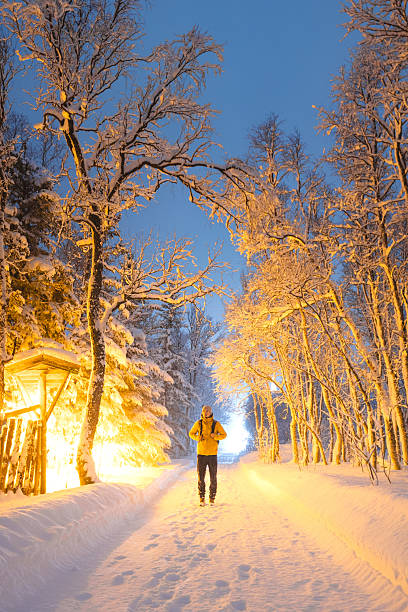
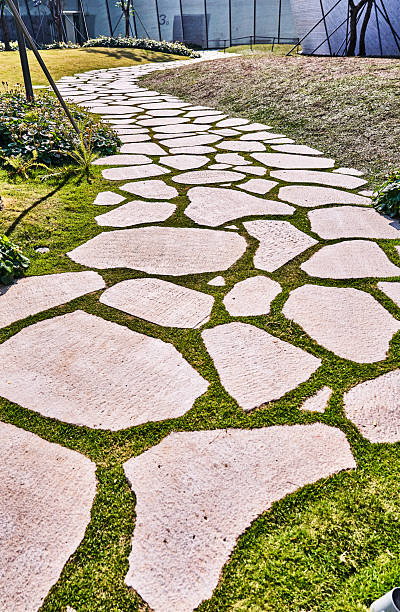


Why Natural Surfaces Matter
Each foot contains 26 bones, 33 joints, and over 100 muscles, tendons, and ligaments — a complex architecture designed for varied terrain, not flat homogeneous pavement. When you walk exclusively on hard, level surfaces, small stabilizing muscles in the feet and ankles receive minimal activation, gradually reducing proprioceptive acuity and balance confidence.
Natural surfaces introduce micro-variations with every step. Grass compresses differently under heel versus forefoot. Gravel shifts laterally under load. Tree roots create elevation changes requiring ankle dorsiflexion adjustments. These constant micro-challenges maintain neuromuscular responsiveness that supports confident movement across all environments, including unexpected uneven situations like stepping off a curb or navigating wet tile floors.
Research from the University of Liverpool on minimal footwear walking found that participants who regularly walked on natural surfaces showed improved foot muscle volume and arch stiffness compared with habitual shod walkers on pavement. The effect scaled with surface variability — the more diverse the terrain, the greater the adaptive response.
Grass, Gravel, and Earth Compared
Grass and Turf
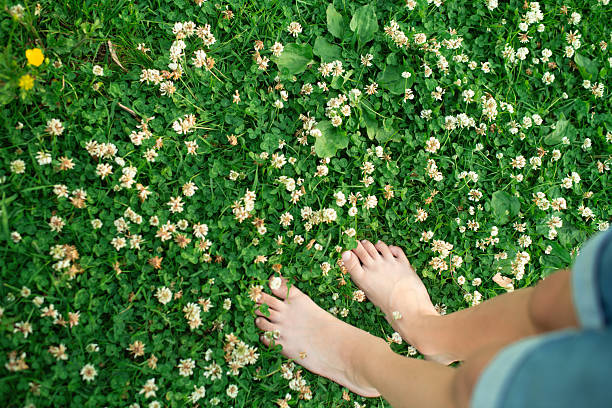
Soft grass absorbs impact energy, reducing ground reaction forces transmitted through ankles, knees, and hips by approximately 10 to 15% compared with concrete. Choose dry, maintained park lawns or designated walking areas. Avoid wet grass on slopes where slip risk increases. Start with 5-minute grass segments added to existing paved routes, gradually extending duration as foot muscles adapt to the softer, uneven base.
Gravel Paths
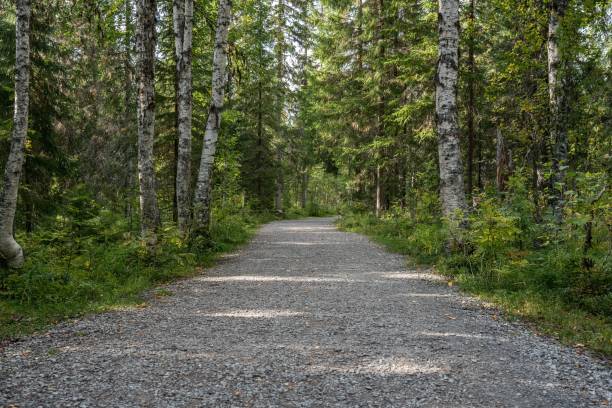
Compacted gravel — standard on Norwegian merket sti trails — provides moderate instability that strengthens peroneal muscles responsible for lateral ankle stability. Loose gravel on inclines demands greater attention and slower pace. Wear shoes with low heel-to-toe drop and wide toe boxes to allow natural foot splay on shifting surfaces. Progress from fine compacted gravel to coarser trail gravel over several weeks.
Natural Earth and Moss
Forest floor surfaces combine compacted soil, leaf litter, exposed roots, and moss patches — the most proprioceptively demanding common walking surface. Thin-soled flexible shoes or brief barefoot segments on familiar, debris-free earth maximize sensory feedback through plantar nerve endings. Limit barefoot exposure to 10 to 15 minutes initially; plantar fascia and ankle stabilizers require gradual loading adaptation.
Building Your Grounding Practice
Transition to varied-surface walking gradually to avoid overuse discomfort in previously undertrained foot muscles. Week one: add five minutes of grass walking to an existing daily route. Week two: introduce a gravel segment on one walk per week. Week three: include a forest earth section on weekend walks. Week four: combine all three surfaces within a single 30-minute route.
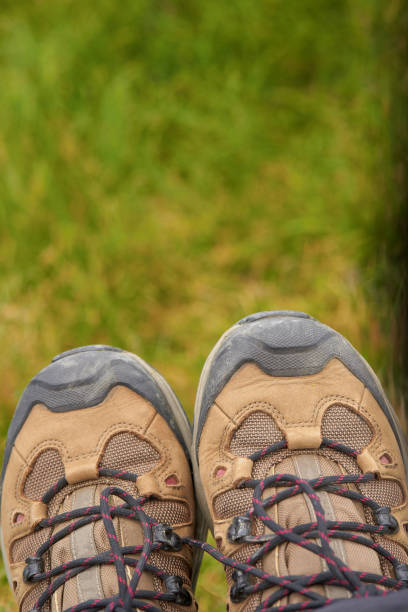
Footwear selection significantly affects grounding walk quality. Shoes with thick cushioned soles filter out surface information that drives proprioceptive adaptation. Consider trail shoes with 4 to 8 mm sole thickness and flexible forefoot for gravel and earth surfaces. Reserve heavily cushioned road running shoes for long-distance paved routes only.
Post-walk foot mobility exercises complement grounding practice. Roll a tennis ball under each foot for 60 seconds, perform toe spreads and calf raises, and stretch the plantar fascia by pulling toes gently toward the shin. These exercises maintain tissue elasticity that varied-surface walking develops.
Grounding Walk Locations Near Porsgrunn
Herkules Park lawns: Maintained grass areas ideal for introductory grounding segments. Flat terrain, well-lit, accessible year-round. Combine with paved park paths for a mixed-surface 2 km loop suitable for beginners.
Telemarkskilen gravel network: Compact gravel trails with moderate elevation change. Standard merket sti marking ensures reliable navigation. Multiple loop options from 3 to 8 km. Best conditions May through October; micro-spikes recommended in icy conditions.
Bymarka forest floor: Natural earth and root networks under mixed conifer canopy. Requires trail shoes and careful footing assessment. Start with marked routes before exploring unmarked forest sections. Accessible by bus from Porsgrunn center.
Frierfjord shoreline: Combined sand, pebble, and grass edge walking along the fjord promenade. Tidal pebble sections add unique texture variation. Flat terrain suitable for all fitness levels. Particularly rewarding during low tide when wider pebble bands are exposed.
Outdoor Safety Guidelines for Grounding Walks
Scan the Ground
Look three to five steps ahead on uneven terrain. Watch for glass, sharp stones, holes, and wildlife on natural surfaces. Barefoot walking requires visual ground scanning every step until familiar routes are memorized.
Progress Gradually
Increase varied-surface duration by no more than 10% weekly. Muscle soreness in feet and calves is normal during adaptation; sharp pain is a stop signal. Allow 48 hours recovery between intensive grounding sessions during the first month.
Temperature Awareness
Natural surfaces conduct temperature differently than pavement. Cold earth and wet grass accelerate heat loss through feet in winter. Warm sand and sun-heated rocks can cause discomfort in summer. Appropriate footwear for seasonal conditions prevents temperature-related discomfort.